

Buying a home in Bangalore — especially a pre-launch or under-construction property — is one of the largest financial decisions most families will ever make. And yet, a surprising number of buyers spend more time researching a smartphone than they do the developer they’re about to hand ₹2–5 crore to.
The developer behind a project matters as much as the project itself. A great location with a questionable developer is a risk. A modest location with a proven developer is often a far safer bet. This guide walks you through exactly how to evaluate a developer before committing — the way experienced advisors and institutional investors do it.

1. Start With RERA: The Non-Negotiable First Check
The Real Estate (Regulation and Development) Act, 2016 made it mandatory for developers to register every project above a certain size with the state’s RERA authority. In Karnataka, that’s RERA Karnataka.
What to check on RERA:
- Project registration number — Every legitimate project will have one. If a developer can’t give you this, stop the conversation.
- Completion date vs current date — RERA filings include the promised completion date. If the project is already past it with no extension filed, that’s a serious red flag.
- Quarterly progress reports — Developers are required to file these. Check if they’re being filed on time and what percentage of construction is reported complete.
- Complaints filed — RERA portals show complaints registered against a developer or project. A few complaints on a large project is normal; dozens is not.
- Developer’s other projects — Look up the developer name and see all their projects on RERA. How many are completed? How many are delayed?
Pro tip: Don’t just check the project you’re buying. Check the developer’s full RERA history across all their projects. A developer who has delivered 10 projects on time is very different from one who has 10 delayed projects and 1 recently launched one.

2. Track Record: Delivered Projects Over Promised Projects
Any developer can make promises. What matters is the gap between what they promised and what they delivered.
How to research delivery track record:
- Ask for a list of completed projects and visit at least one in person. Talk to residents — not the ones the developer introduces you to, but random residents you approach yourself.
- Search “[Developer Name] delay Bangalore” on Google and read through forums like Housing.com, MagicBricks community boards, and Reddit’s r/bangalore. Real buyer experiences tend to surface here.
- Check if possession certificates (OC — Occupancy Certificate) have been obtained for past projects. A developer who hands over flats without OC is handing you a legally incomplete property.
- For larger developers, check if their past projects appear in NCLT (National Company Law Tribunal) filings — this indicates financial distress or insolvency proceedings.
The benchmark: a developer with 5+ delivered projects, all within 12 months of promised dates, and with OC obtained, is in the top tier. Anything worse than that requires deeper scrutiny.
3. Financial Health: What Most Buyers Never Check
A developer’s financial health directly determines whether your project gets completed. This is especially true for under-construction purchases.
For listed developers (Prestige, Brigade, Sobha, Embassy, etc.):
- Read their annual reports and quarterly investor presentations — these are publicly available and reveal revenue recognition, debt levels, and project pipeline.
- Check their debt-to-equity ratio. A highly leveraged developer in a rising interest rate environment is a project completion risk.
- Look at their receivables — are they collecting payments from buyers on time? Stalled receivables can signal project distress.
For unlisted developers:
- Ask for their audited financials. A credible developer won’t hesitate. One who refuses or gives excuses is telling you something.
- Check MCA (Ministry of Corporate Affairs) filings at mca.gov.in — you can see if a company has filed annual returns, its paid-up capital, and director details.
- Look for news about the developer’s banking relationships — developer accounts being frozen or loans classified as NPAs (Non-Performing Assets) by banks are public information that occasionally surfaces in business press.
4. Construction Quality: The Underrated Indicator
Brochures look the same. Site visits reveal the truth.
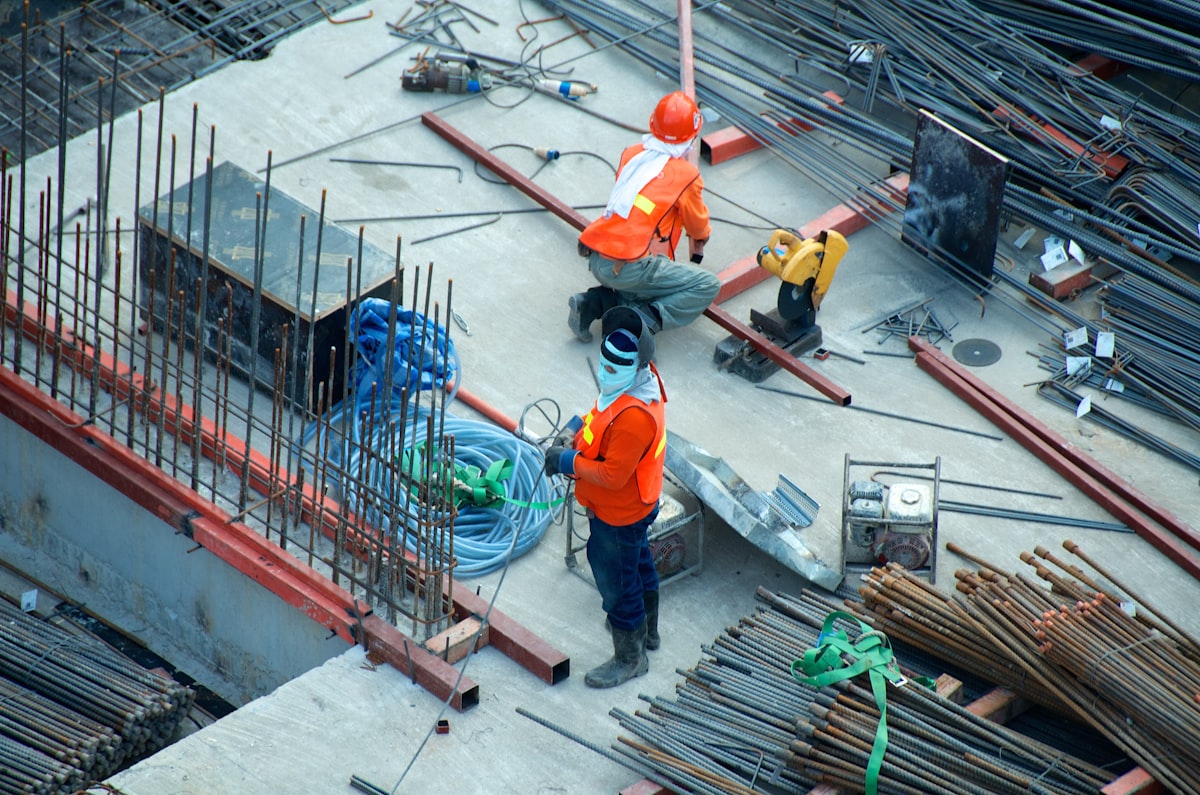
What to look for on a site visit:
- Structural quality: Ask about the grade of concrete being used (M30 and above is standard for residential towers above 15 floors). Ask about the reinforcement steel brand (TATA, JSW, and SAIL are benchmarks).
- Vendor quality: Premium developers use established MEP (mechanical, electrical, plumbing) contractors. Ask who is doing the lifts (Otis, Schindler, Kone are top tier), the electrical fittings, the plumbing.
- Labour practices: A project site that looks chaotic, understaffed, or where workers appear unsupervised is a warning sign about project management.
- Existing properties: Visit an older building by the same developer. Look at the common areas — are they maintained? Is the building showing premature wear? Talk to the RWA (Resident Welfare Association) members.
Dwelling Ventures advisors visit every project site before recommending it to clients. We’ve walked away from developer partnerships specifically because of what we’ve seen on site visits that brochures don’t show.
5. Legal Title: Clean Land is the Foundation
The most beautifully constructed building means nothing if the land under it has a clouded title.
Title checks to insist on:
- Encumbrance Certificate (EC): This document, issued by the Sub-Registrar’s office, confirms that the land has no pending loans, mortgages, or disputes registered against it. Ask for an EC for at least 30 years back.
- Title deed chain: The developer should be able to show an unbroken chain of ownership from previous owners. Any gap in the chain is a red flag.
- Conversion certificate: Agricultural land in Karnataka must be officially converted to residential use before it can be legally developed. Ask for this if you’re buying in areas that were previously agricultural (which includes much of North Bangalore and Devanahalli).
- BBMP/BDA/LPA approval: Depending on where the project is located, it must have approval from the relevant planning authority. Projects in the BDA Revised Master Plan 2031 zones are generally safer bets.
- Joint development agreements: Many Bangalore developers build on land owned by others through JDA structures. These are legal but introduce complexity — ensure the landowner has also signed off on the specific project and that the JDA terms are sound.
Ideally, have an independent property lawyer (not the developer’s in-house counsel) review all title documents before you commit.
6. The Intangibles: Responsiveness and Transparency
How a developer behaves before you sign is a preview of how they’ll behave after.
Green flags:
- Prompt responses to specific questions about construction timelines, legal documents, and financial structure
- Willingness to share project RERA reports, approved plans, and title documents upfront
- A dedicated relationship manager who knows the project deeply, not just a sales executive reading from a brochure
- Realistic delivery promises, not aspirational ones
Red flags:
- Pressure to “block today because prices are going up tomorrow”
- Vague answers to specific questions about possession dates
- Reluctance to share RERA numbers, OC status of past projects, or title documents
- Promises of guaranteed rental returns (these are almost always legally unenforceable and financially suspect)
7. The Bangalore Developer Landscape in 2025
To give you practical context, here’s a broad characterisation of how the Bangalore market is structured:
Tier 1 developers — Listed companies with institutional backing, strong delivery track records, and deep lender relationships. Think Prestige, Brigade, Sobha, Embassy, L&T Realty. These are generally the safest bets for under-construction purchases, though they command premium pricing.
Tier 2 developers — Established regional players with 10–20 completed projects. Many of these are excellent but require more due diligence since public financial information is limited. Assetz, Mana Developers, Birla Estates, and Sattva fall into a grey zone here — some closer to Tier 1, others requiring more scrutiny.
Tier 3 and below — Local developers, first-time developers, or developers with limited track records. Avoid under-construction purchases here unless you have very strong legal and financial due diligence in place.

The Bottom Line
Buying from a reputable developer doesn’t guarantee a perfect experience. But it dramatically reduces your risk of the worst outcomes — stalled projects, legal disputes, and years of EMI payments on a property you can’t move into.
The checklist, simplified:
- ✅ RERA registered, filings up to date
- ✅ 5+ completed projects, delivered close to promised dates, with OC
- ✅ Financially stable — low debt, consistent financials
- ✅ Quality construction — verified by site visit
- ✅ Clean title — EC, conversion cert, planning approvals
- ✅ Transparent pre-sales behaviour
At Dwelling Ventures, we do this due diligence before we recommend any project. We represent fewer than 12 active projects at any time — precisely because our reputation depends on every recommendation being one we’d make for our own families.
Thinking about a specific developer or project in Bangalore? Schedule a private consultation and we’ll give you an honest assessment — no sales pitch, no commission pressure.
Dwelling Ventures is a RERA-registered real estate advisory firm based in Bengaluru. RERA: PRM/KA/RERA/1251/446/AG/221122/003261
Dwelling Ventures Private Limited is an authorised channel partner and not the developer of any project mentioned. Prices, configurations, areas and timelines are indicative and subject to each developer’s official documents; this page does not constitute an offer or contract.